

The Petite Camargue, even in winter
When the tourists have left the beaches and the last parasols have disappeared, the Petite Camargue reveals a different face. Wilder, quieter, almost a secret. With misty lagoons, flamingos, village markets and long walks in the fresh air, winter may be the most beautiful season to discover this distinctive region, halfway between Montpellier and Nîmes.

Photography: Joss Uñac.
There is something rather fascinating about the South of France in winter. The way the light transforms everything, softening the landscapes, making the colours more subtle and the days feel almost precious.
We tend to picture the Camargue under a July sun, with its white horses, bulls and wild expanses shimmering in the heat. But there is another Camargue: one of cold mornings, empty roads, lagoons that merge with the sky and late afternoons when the sun sinks so low it seems to brush the water.
A Camargue that has stopped trying to charm. And that, paradoxically, becomes even more beautiful.
The beauty of quiet days
In winter, the Petite Camargue takes its time.
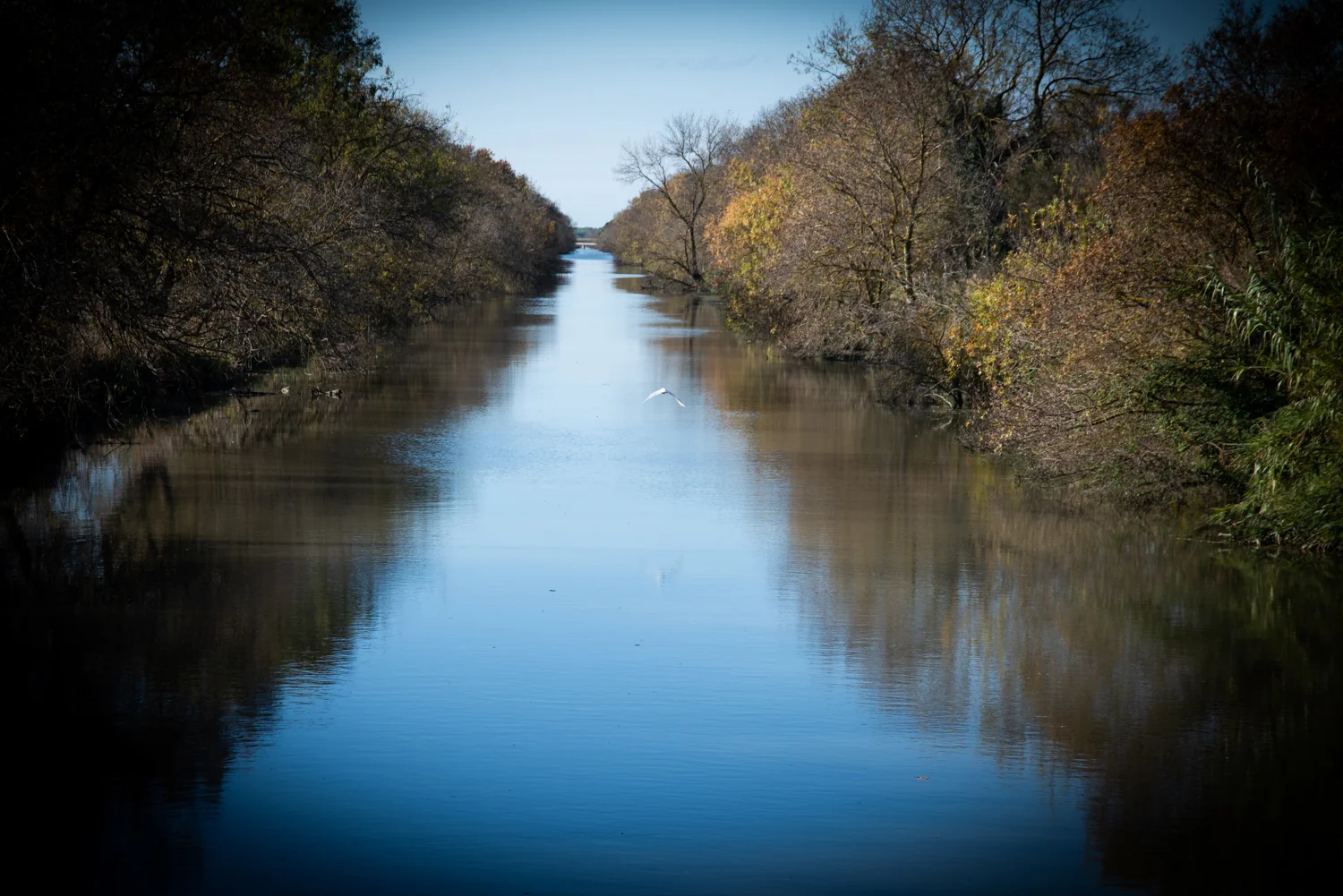
The reeds have turned golden, the salt marshes take on coppery tones and the lagoons become great mirrors reflecting the clouds.
Along the paths through the wetlands, the silence is never quite complete. There is wind in the grasses, the distant call of a bird, the sound of water against the banks.
And then, of course, there are the flamingos.
Contrary to what you might imagine, they do not all disappear when the cold arrives. Many spend the winter in the Camargue’s lagoons, creating extraordinary living tableaux. Their elegant silhouettes stand out against the grey water, sometimes wrapped in a light mist.
At this time of year, you can also see ducks, herons and many other species that have come to spend the colder months in these wetlands.
Sometimes all it takes is to stop for a few minutes, step out of the car and look.
It is an almost meditative experience, in an age when we too often forget the pleasure of doing nothing.
Between sky, water and light
What strikes you here is the space.
A few kilometres from Lunel, the landscape gradually opens towards the Étang de l’Or lagoon, the marshes and the lowlands that herald the Mediterranean.
The horizons are vast. In places, it becomes difficult to tell where the land ends and the sky begins.
Winter heightens that impression. The light falls at a lower angle than in summer, gliding across surfaces, tracing contours and revealing colours you barely notice in the warmer months.
Silvery greys, faded pinks, ochres and blues that are almost metallic.
A landscape that could easily inspire a painter or photographer.
Further east, around Aigues-Mortes and Saint-Laurent-d’Aigouze, the marshes and old salt flats deepen the sense of a world apart. The Tour Carbonnière, standing amid the wetlands, seems to have watched over this region for centuries, a place where water still largely shapes the landscape.
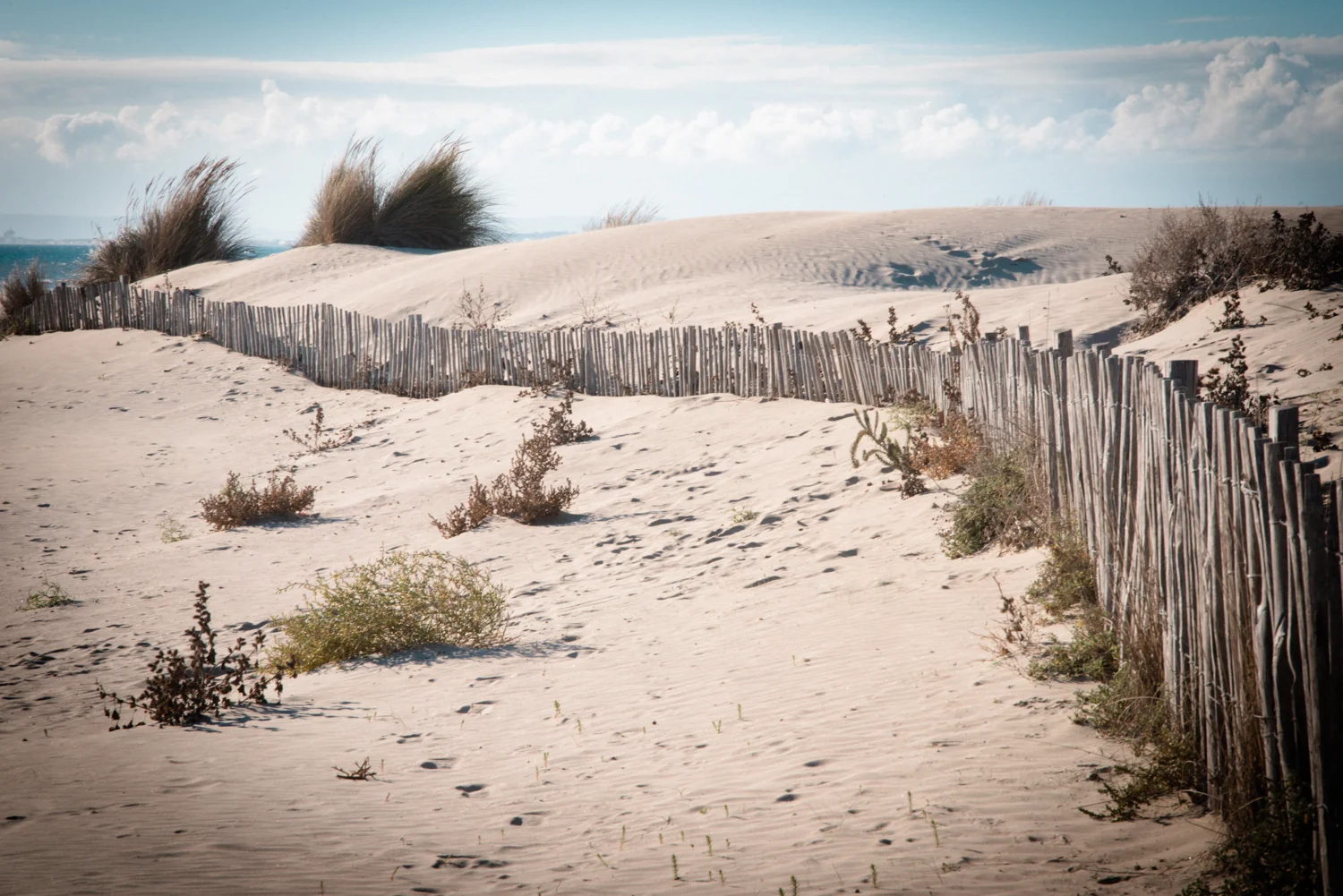
As for Espiguette beach, it takes on an almost unreal quality in winter. The dunes, the wind and the sheer expanse of sand create a spare landscape, free from the bustle of summer.
You come to walk, breathe and rediscover the rare feeling of having the horizon to yourself.
The pleasure of markets rediscovered
But the Petite Camargue is more than a succession of landscapes.
It is also a way of life, deeply rooted in seasons, ingredients and traditions.
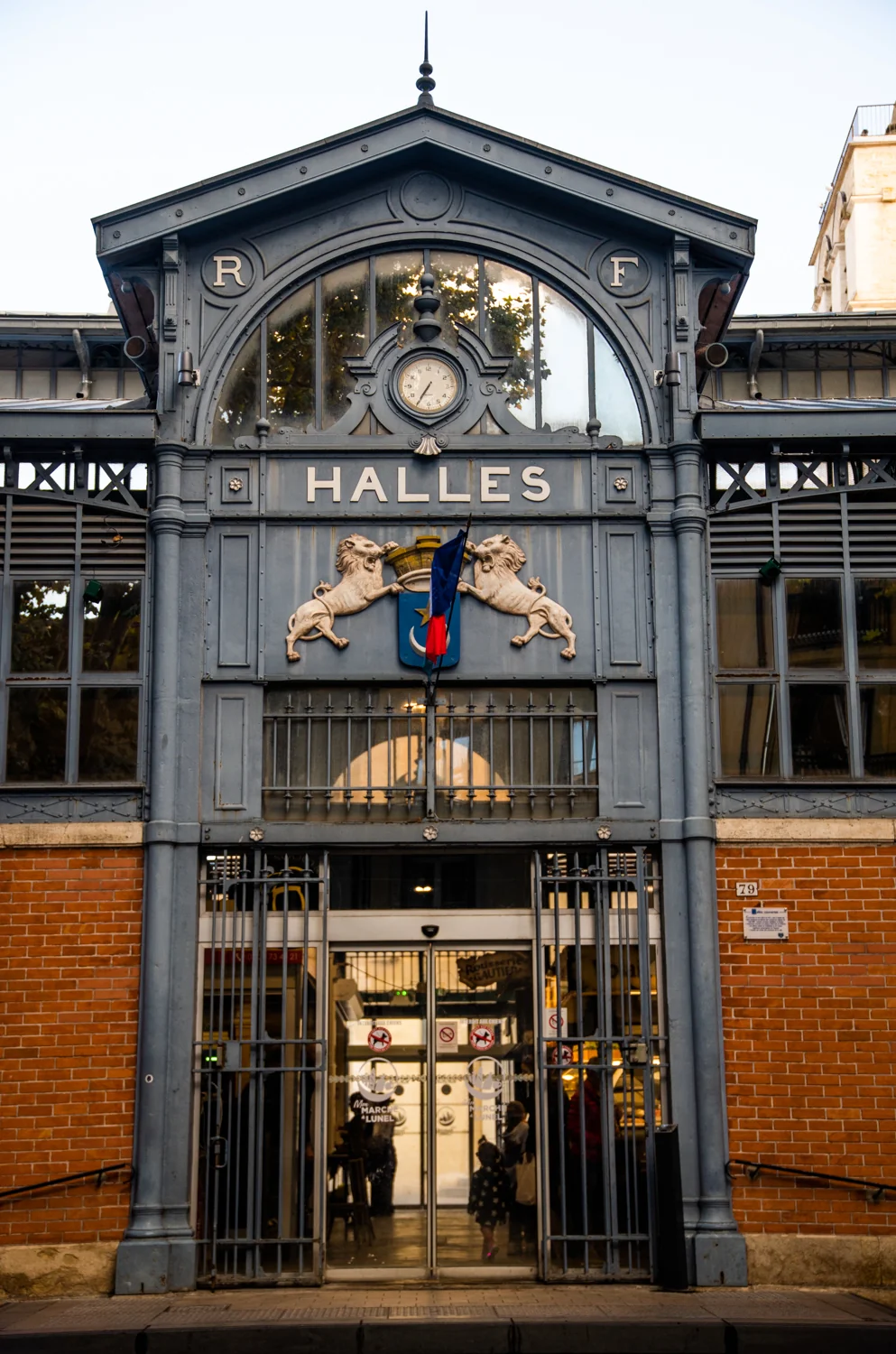
In Lunel, Les Halles, the covered market, is a lovely example.
Housed in a building from the early 20th century, designed in the Baltard style with a metal structure and exposed brickwork, it retains the particular charm of markets where people come as much to exchange a few words as to shop.
In winter, the market stalls change colour.
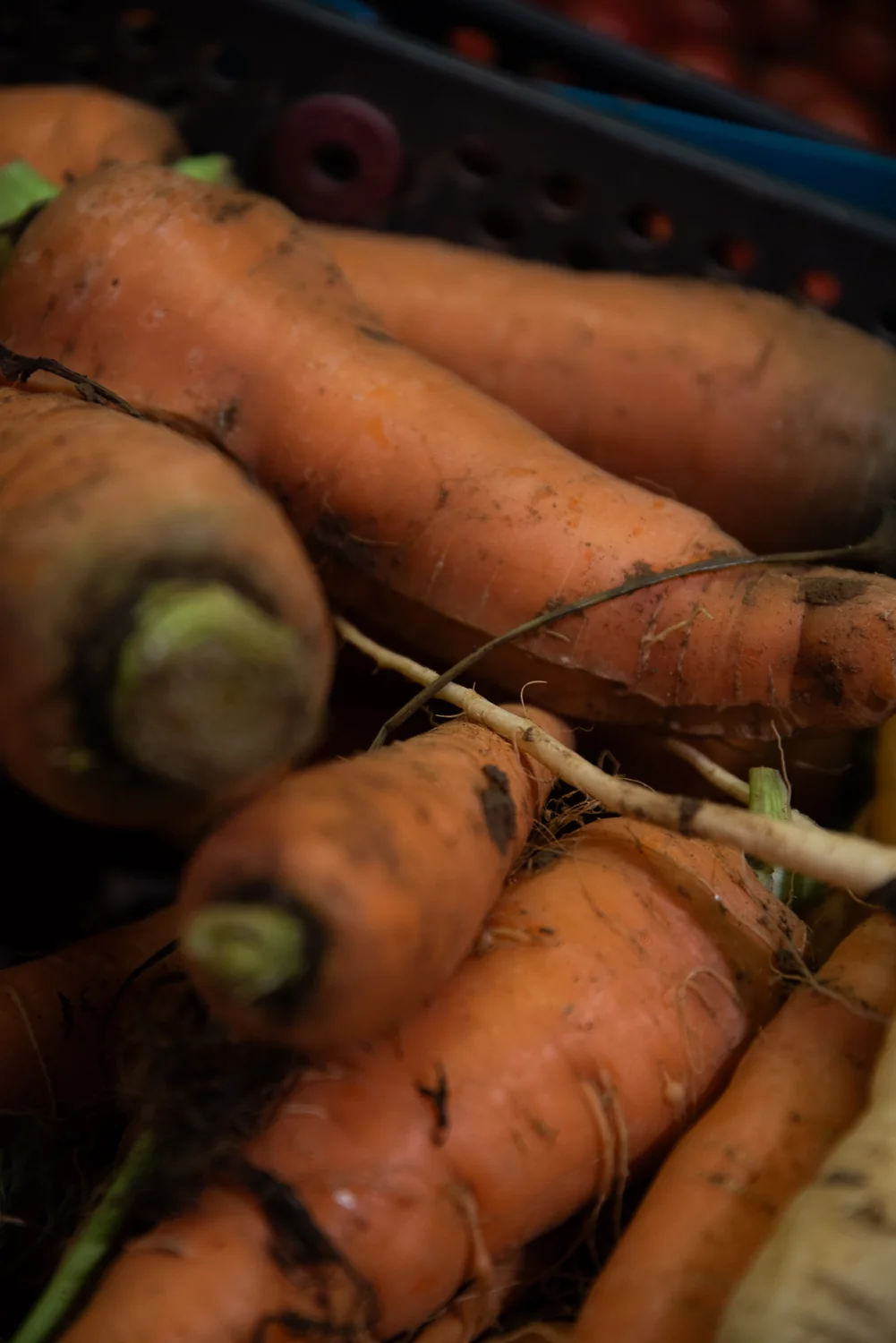
Squashes sit alongside cabbages, leeks, chard and root vegetables. Citrus fruit brings bright notes, while fish, shellfish, cheeses and fine cuts of meat reflect the region’s rich food culture.
You take the time to talk to a trader, ask for advice or discover an ingredient you had not planned to buy.
There is something reassuring about these small rituals.
They reveal a South of France quite different from the postcards: an everyday South, generous and alive throughout the year.
Then there are the surrounding villages, their squares, cafés, markets and streets that are almost deserted on some winter mornings. Each offers another reason to slow down a little.
Another way to savour good food
Winter also changes our relationship with the table.
After a long walk in the wind, there is a different kind of pleasure in opening a restaurant door, finding the warmth of a dining room and settling at a beautifully laid table.
Our tastes change. We look for more comforting flavours, slow cooking, deep sauces and vegetables whose richness has been fully explored.
Yet Mediterranean cooking retains its characteristic lightness.
Fish and shellfish continue to speak of the nearby sea. Garrigue herbs, citrus fruit, winter vegetables and Languedoc wines create a palette of flavours where freshness, character and pleasure meet.
This region has the rare quality of bringing together, within just a few kilometres, the influences of the sea, lagoons, farmland and vineyards.
It is a diversity that naturally feeds a cook’s imagination.
And a reminder that gastronomy begins long before the plate, in a landscape, a season, an encounter or an ingredient.
The luxury of taking your time
Perhaps we should learn to love destinations out of season again.
Discover them when they are no longer trying to welcome thousands of visitors, when they return to their natural rhythm and offer us something more intimate.
The Petite Camargue in winter has precisely that charm.
The charm of walks without a plan, lunches that linger, unexpected detours and the light at the end of the day that you wish you could hold on to a little longer.
At Maison Soubeiran, this connection to the surrounding region and the seasons is part of our story.
A few steps from Les Halles in Lunel, Carole and Benjamin express this Mediterranean art of living in their own way, through ingredients, encounters and shared pleasure.
The cooking evolves with the day’s deliveries, inspiration and the rhythm of nature. Like the landscapes around us, it never presents itself in quite the same way.
So why not imagine a different kind of escape this winter? A morning beside the lagoons, a detour through Les Halles, a stroll through Lunel’s streets, then the pleasure of lingering over a meal.
Without too precise a plan. Without trying to see everything.
Simply to enjoy the best of what the season has to offer.
Because in the Petite Camargue, winter is not simply a season to wait out.
It may be the one we should take the time to discover.
Photography: Joss Uñac.
